When Does Scoliosis Require Surgery?
Is scoliosis getting in the way of everyday tasks like working out or bending down to pick something up? If you’re finding that your scoliosis is starting to interfere with your quality of life, it might be time…
Is scoliosis getting in the way of everyday tasks like working out or bending down to pick something up? If you’re finding that your scoliosis is starting to interfere with your quality of life, it might be time to consider surgery.
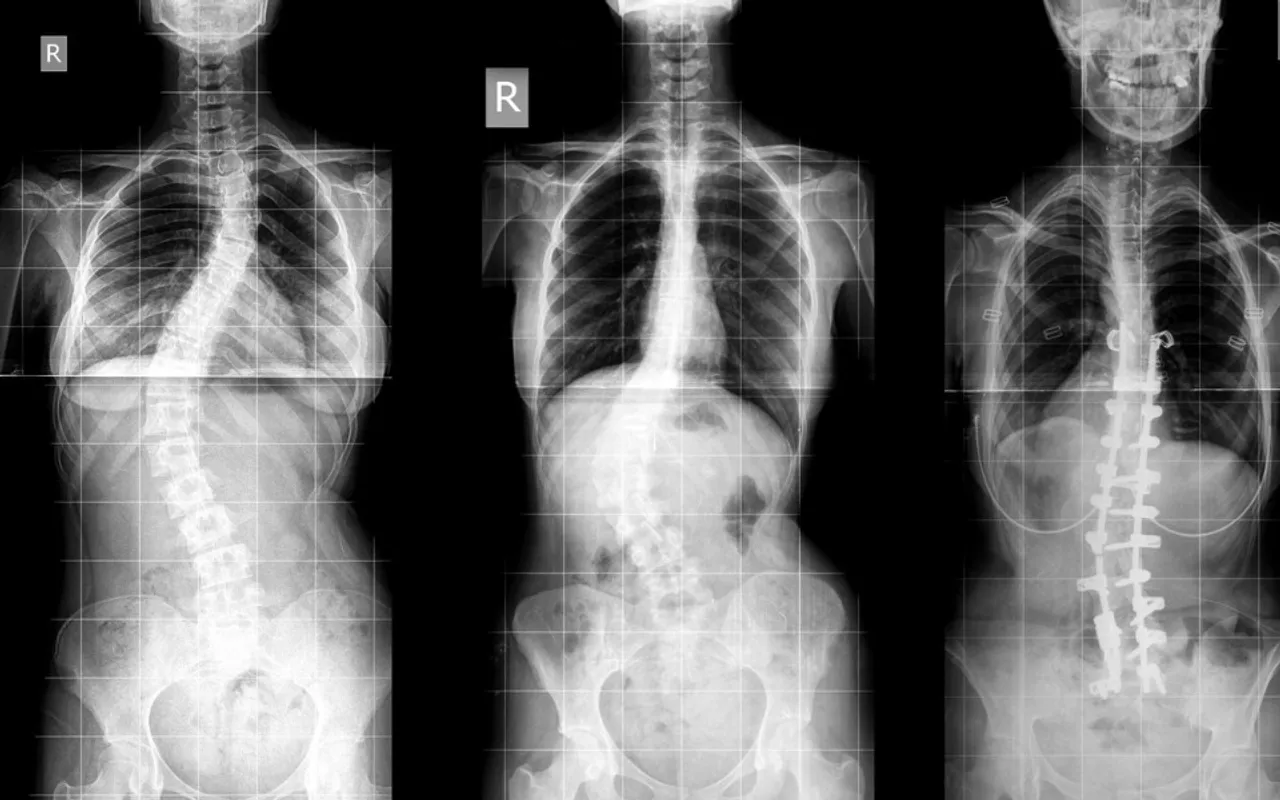
While most scoliosis cases don’t require surgery, there are some instances where it is the best option. If your scoliosis has caused a curve in your spine that is greater than 40 to 50 degrees, or if you are experiencing pain and discomfort due to your scoliosis, surgery may be recommended.
What is Scoliosis?
Scoliosis is a condition that causes the spine to curve. It can be either congenital or acquired. Congenital scoliosis is present at birth, while acquired scoliosis is caused by an injury or disease.
Scoliosis can be mild, moderate, or severe. If you have a mild case of scoliosis, then you might not need surgery. However, surgery might be your best option if the curvature is severe.
Symptoms of Scoliosis
Scoliosis is most common in children and adolescents aged 11 and older, but it can also occur in adults. The most common symptoms of scoliosis include:
- Uneven shoulders
- One shoulder blade sticks out more than the other
- Uneven waist
- Curved spine
Types of Scoliosis
There are three main types of scoliosis, idiopathic, congenital, and neuromuscular.
Idiopathic Scoliosis
Idiopathic Scoliosis is the most common form of scoliosis. It occurs in children and adolescents and usually runs in the family.
Congenital Scoliosis
A child with congenital scoliosis has a curved spine at birth. While it’s not known what causes this type of scoliosis, it is believed that genetics might play a role.
Neuromuscular Scoliosis
Neuromuscular scoliosis is caused by an injury or disease to the muscles in your body. This type of scoliosis is typically seen in adults. Causes of neuromuscular scoliosis include:
- Spinal cord injury
- Poliomyelitis
- Cerebral palsy
- Muscular dystrophy
How is Scoliosis Diagnosed?
Scoliosis is most often diagnosed with a physical exam. A doctor will check for uneven shoulder blades and waistline, as well as the spine’s curvature. It’s important to note that a child with scoliosis might not experience any symptoms, so it’s essential to schedule regular physical exams to identify this condition early. Imaging tests like an X-ray, CT scan, MRI, and bone scans can also be used to diagnose scoliosis.
Early diagnosis in children can significantly decrease the chances of scoliosis becoming a bigger problem later in life. If you can diagnose scoliosis early, you may help prevent further spine curving and other complications.
Scoliosis Treatments
While surgery is often the recommended treatment for severe scoliosis, other treatments can be used depending on the severity of the curvature. Those with mild scoliosis usually do not need treatment. However, with more moderate or severe cases, treatment might include:
- Bracing
- Physical therapy
- Surgery
Alternatives to Scoliosis Surgery
While some forms of scoliosis are unavoidable, there are ways to keep your back healthy to possibly avoid surgery. Some things you can do to prevent scoliosis from progressing and requiring surgery include:
- Maintaining a healthy weight
- Eating a nutritious diet
- Trying to keep good posture
- Staying active and exercising regularly
- Getting regular check-ups with your doctor
How to Determine If You Need Surgery
Most cases of scoliosis are not severe enough to require surgery. However, if your condition is severe enough to cause significant discomfort, surgery might be the best option for you. A spine curve that is more than 50 degrees is likely to require surgery.
If you’re unsure whether or not surgery is the right option for your scoliosis, then it’s best to get an opinion from a spine specialist.
Contact The Spine Pro
Do you have scoliosis that causes pain or discomfort? If so, Dr. Hooman Melamed at The Spine Pro may be able to help. The Spine Pro specializes in the diagnosis and minimally invasive treatment of all types of spine disorders, including scoliosis.
Contact us today. Call (424) 217-7463 or request an appointment to get on the path to relief!
The next step
Get a straight answer about your spine.
Book a consultation or send your MRI for a personal review with Dr. Melamed — no pressure, just an honest read on your options.


