Scoliosis 101: What You Need to Know
Scoliosis is a condition that causes your spine to develop a side-to-side curve. That means that instead of the straight line that signifies a healthy spine, your spine has an “S” or a “C” shape. Most cases of scoliosis are…
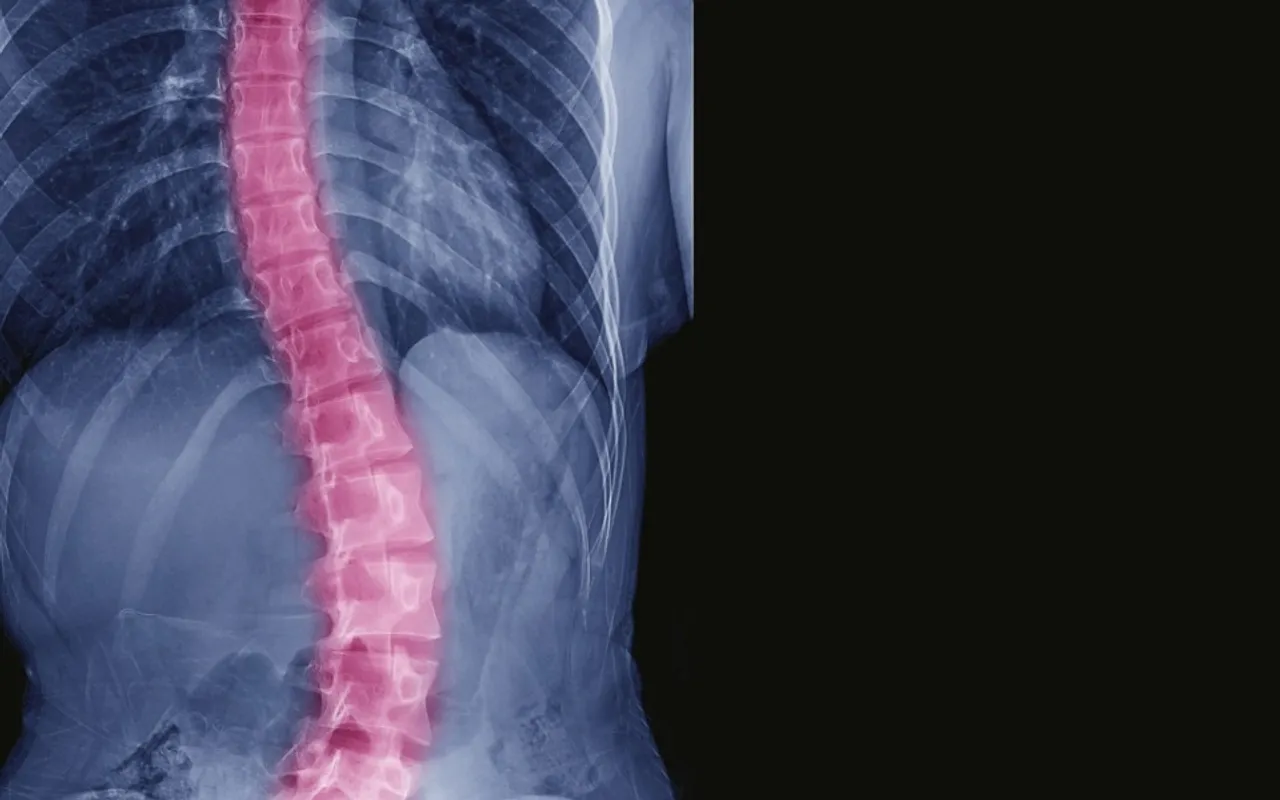
Scoliosis is a condition that causes your spine to develop a side-to-side curve. That means that instead of the straight line that signifies a healthy spine, your spine has an “S” or a “C” shape.
Most cases of scoliosis are mild and cause few issues; in other cases, spinal deformities can worsen over time. In these situations, scoliosis can lead to severe physical deformities and back problems, and it can even cause heart or lung damage.
Understanding the basics of scoliosis can help you prevent your condition from worsening and ensure that you receive the treatment you need.
Know your scoliosis risks
There are several types of scoliosis with different causes, such as:
- Congenital scoliosis: a rare condition that develops in utero and affects one in 10,000 babies
- Neuromuscular scoliosis: typically seen with disorders like cerebral palsy or trauma to the spinal cord
- Degenerative scoliosis: a degenerative condition that appears in adults over 65 years of age, caused by weakening bones
- Syndromic scoliosis: related to other diseases like muscular dystrophy or connective tissue diseases
- Idiopathic scoliosis: the most common form, accounting for 80% of scoliosis cases
Idiopathic scoliosis doesn’t have a known cause, though it may have a genetic component as this type tends to run in families.
Girls and boys are at equal risk of developing idiopathic scoliosis. When seen in girls, however, the condition usually grows worse and requires treatment. The signs of scoliosis typically appear shortly before puberty between 10 and 14 years of age.
Watch for signs of scoliosis
Scoliosis can cause several physical symptoms that can be easy to detect, including:
- An uneven waist or hips
- One prominent shoulder blade
- Forward positioning of the head
- One shoulder that’s higher than the other
In some cases, your spinal curve can also begin to twist, causing the ribs on one side of your body to stick out farther than the other.
Monitoring the curve in your spine is an essential aspect of scoliosis management to prevent your condition from worsening. Dr. Hooman M. Melamed might recommend regular X-rays or MRI scans to thoroughly evaluate your spinal curve and determine the best course of treatment.
Seek proper scoliosis treatment
Most cases of scoliosis don’t need therapy, but moderate to severe spinal curves can require medical attention. Dr. Melamed considers each unique scoliosis case before outlining a treatment strategy.
In scoliosis cases involving children, where their bones are still growing, a brace can prevent the spinal curve from progressing. These braces are typically worn during the day and night until the bones stop growing.
For cases of severe scoliosis, where your spinal curve is greater than 45-50 degrees, Dr. Melamed may suggest surgery. He performs this procedure to reduce the curvature of your spine and prevent your condition from worsening.
Spinal fusion is a common surgical treatment for scoliosis. During a spinal fusion, at least two bones in your spine are connected using bone grafts to stimulate healing and fusion, so they no longer move independently.
To learn more about scoliosis and spinal deformities, call Dr. Hooman M. Melamed or schedule an appointment online today.
The next step
Get a straight answer about your spine.
Book a consultation or send your MRI for a personal review with Dr. Melamed — no pressure, just an honest read on your options.


