

What Is Biportal Endoscopic Spine Surgery (BESS)?
Two openings smaller than a fingertip, a high-definition camera, and no muscle cutting. Here is how the biportal endoscopic approach actually works — and who it tends to help.
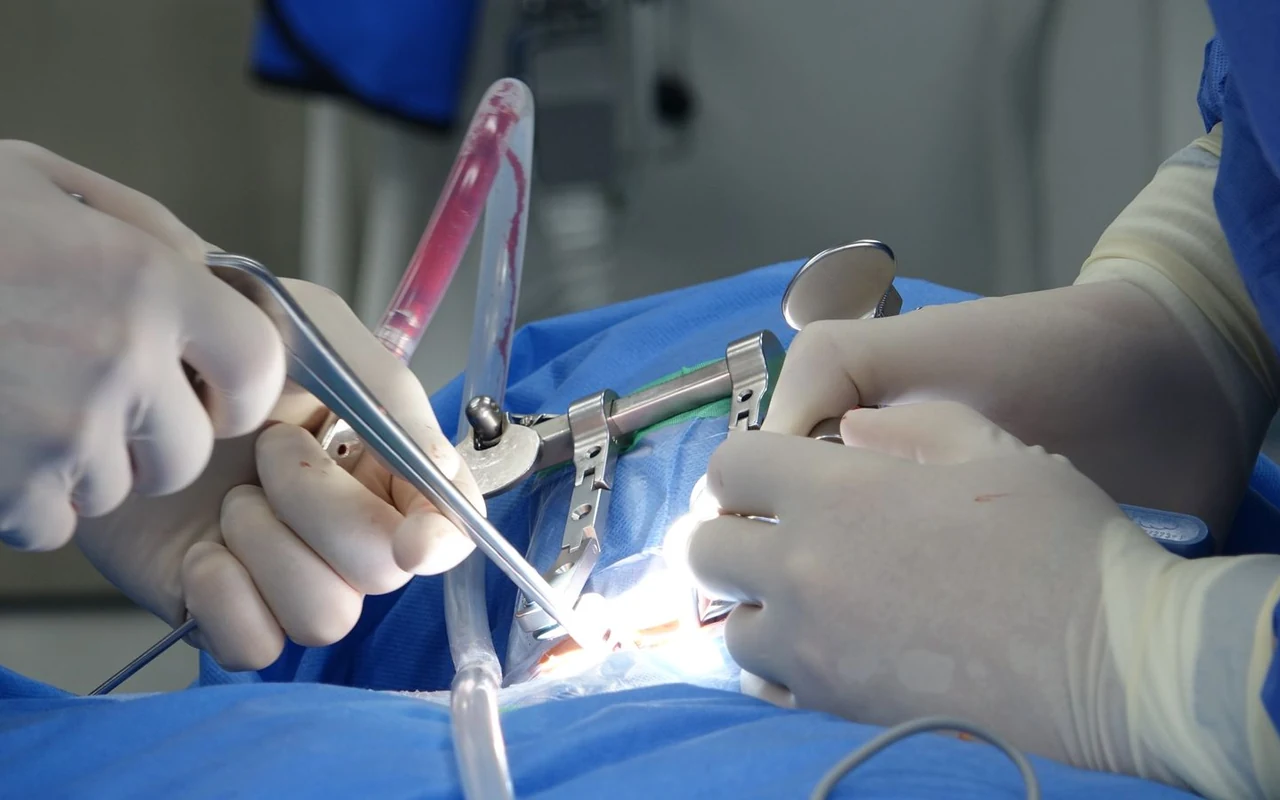
Most people picture spine surgery as a long incision, a hospital stay, and weeks flat on your back. For a lot of patients, it no longer has to look like that. Biportal endoscopic spine surgery — often shortened to BESS — is one of the least invasive ways we have to take pressure off a nerve or clean out a disc problem.
Here is what it is, in plain terms, and how to think about whether it might fit your situation.
The short version
BESS uses two small openings, each under a centimeter, instead of one long cut. One opening holds a high-definition endoscope — a tiny camera with its own light. The other holds the instruments. Working through those two ports, the surgeon can see the spine magnified on a screen and address the exact spot causing your pain.
The part that matters most: the muscle along your spine is spread apart, not cut off the bone. That single difference is why recovery tends to look so different from traditional open surgery.
The goal is simple — solve the problem, and disturb as little as possible getting there.
Why the “two portals” matter
Having a separate camera port and working port gives two practical advantages:
- A clearer view. Continuous saline irrigation keeps the field clean, and the endoscope magnifies the anatomy far beyond what the naked eye sees through an open incision.
- More room to work. Because the instruments come in through their own channel, the surgeon isn’t crowding the camera. That makes delicate work around a nerve more controlled.
What it’s used for
BESS is not right for every spine problem, but it is well suited to some of the most common ones:
- A herniated or bulging disc pressing on a nerve
- Spinal stenosis — narrowing that crowds the nerves
- Sciatica from a pinched nerve in the lower back
- Certain cases of foraminal stenosis, where a nerve root is squeezed as it exits the spine
The only way to know if your case qualifies is a review of your imaging. That is genuinely the deciding factor — not your age, and not how long you have had symptoms.
What recovery tends to look like
Because the muscle is preserved, most patients go home the same day rather than staying in a hospital. Many are up and walking within hours. The reduced tissue trauma also means the approach is designed to minimize narcotics after surgery — most people need far less pain medication than they expect.
Recovery still takes real time and varies from person to person. “Weeks, not months” is a fair general expectation for returning to light activity, but your surgeon should give you a timeline built around your specific procedure and health.
A realistic note
Minimally invasive does not mean minor. It is still surgery, and it deserves a careful second opinion and an honest conversation about whether you need it at all. Sometimes the best recommendation is to hold off and try something conservative first.
How to find out if it fits you
The fastest path to a real answer is to have your MRI or CT reviewed directly. If a smaller, muscle-sparing option is realistic for your case, you deserve to know that before anyone talks to you about a bigger operation.
The next step
Get a straight answer about your spine.
Book a consultation or send your MRI for a personal review with Dr. Melamed — no pressure, just an honest read on your options.