
Out-of-state? Free MRI review4.9 ★ · 633 Google reviewsBoard-certified spine surgeonSame-day spine surgeryCall (424) 217-7463
Out-of-state? Free MRI review + telehealth consult before you travel 4.9 ★ · 633 Google reviews Board-certified — American Board of Orthopaedic Surgery Minimally invasive, same-day spine surgery in Beverly Hills Call (424) 217-7463
Conditions

Understanding More about the Types of Scoliosis

Scoliosis is an abnormal sideways curvature of the spine that can cause back pain and other severe issues. Learning more about scoliosis will allow you to be on the lookout for symptoms that you or your children may have, so…
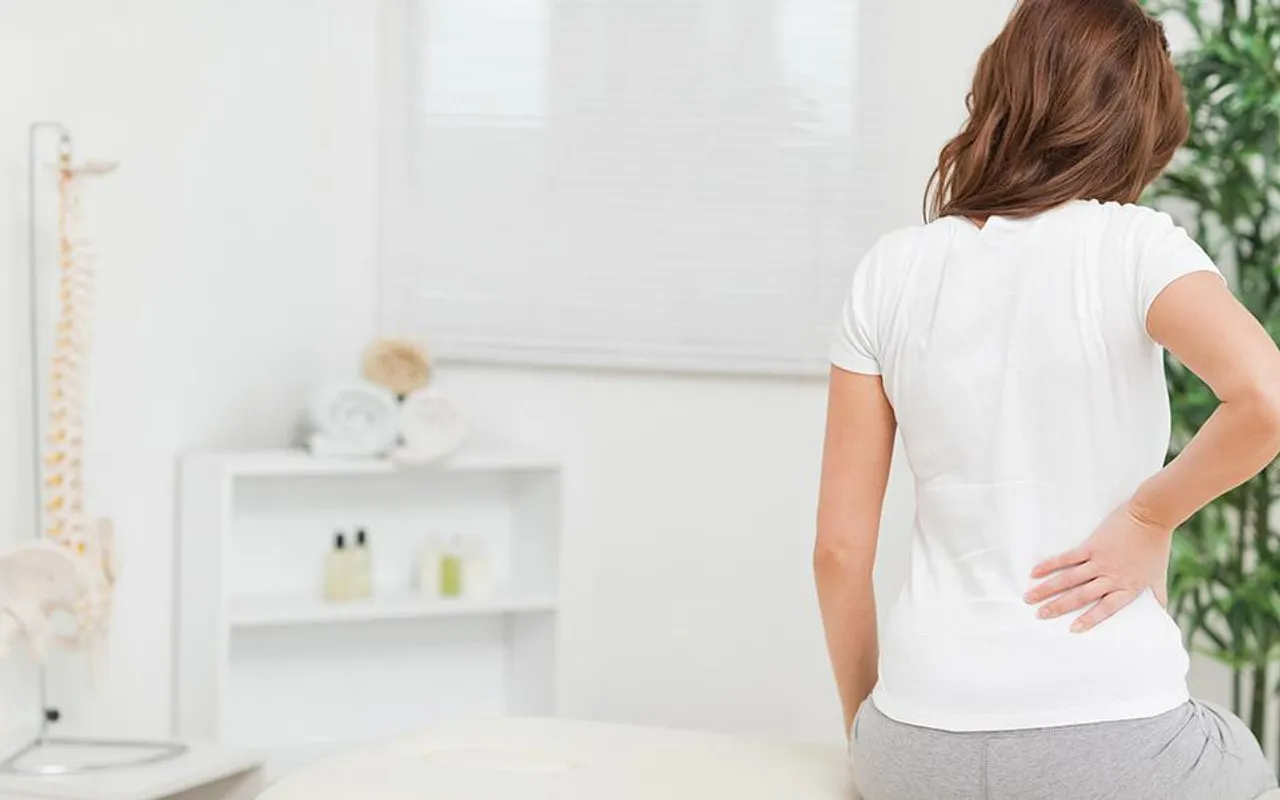
A woman in a white T-shirt holding her lower back in a clinic exam room

Scoliosis is an abnormal sideways curvature of the spine that can cause back pain and other severe issues. Learning more about scoliosis will allow you to be on the lookout for symptoms that you or your children may have, so you can talk with your doctor about treatment options, if needed. Idiopathic scoliosis is the most common type and its cause is unknown, although there is evidence pointing to it being inherited. Neuromuscular scoliosis is the result of abnormal muscles or nerves in the back and is often seen in those with spina bifida and other conditions. Degenerative scoliosis results from bone collapse due to injury or previous back surgery. Talking with your doctor or spine specialist about your family and medical history will help you learn more about the chances of possibly having scoliosis. How is Scoliosis Diagnosed? Most often, any abnormal curvature in the spine will be first detected by a screening exam in school or by your child’s pediatrician or family doctor. To diagnose scoliosis, your doctor will examine your spine, hips, shoulders, legs and rib cage for any alignment issues. If a screener at school believes your child may have scoliosis, your doctor can confirm the diagnosis and determine the degree of spinal curvature following an X-ray. There may be no need for treatment in terms of physical therapy or rehabilitation if the scoliosis is deemed to be non-severe. However, your doctor may suggest the use of a back brace to prevent the curve from progressing. For scoliosis where the degree of curvature exceeds 40-50 degrees, surgery is seriously considered. While this route will not perfectly straighten the spine, it will help ensure that the curve does not get worse. If you have any questions about scoliosis, be sure to talk with your spine professional.

The next step

Get a straight answer about your spine.

Book a consultation or send your MRI for a personal review with Dr. Melamed — no pressure, just an honest read on your options.

Book a Consultation Free MRI Review

Patients on Google

Recent Google reviews

4.9 633 Google reviews
  • Renee Smith
    Rated 5 out of 5.

    Dr. Melemed is truly the best! He genuinely cares about his patients, and it shows in every aspect of the care he provides. I recently had an outpatient procedure, and I cannot say enough about how impressed I was with the surgery center. …

  • Phyllis Sorbet
    Rated 5 out of 5.

    Dr Hooman Melamed and the entire clinic are extremely personable and professional. They listen and understand all your concerns and issues and come up with the best plan for your situation. I have had a very positive experience and successful surgery. …

  • Melina Rodriguez
    Rated 5 out of 5.

    Dr. Melamed is an exceptional physician. I initially came to him for my spine concerns, but he took the time to look at the bigger picture, truly listen, and help me find the right resources and specialists for a separate, complex medical condition outside his specialty. …

  • mk4uandme
    Rated 5 out of 5.

    I had a disc replacement almost a year ago. I feel much better. I chose him to be my surgeon because he came highly recommended from several different sources. Last month, Dr. Melemed Noticed something wrong in the current x-ray compared to a few months ago. …

  • Mark Myers
    Rated 5 out of 5.

    I was incapacitated, couldn’t stand, sit or walk. The pain was excruciating. I’ll spare you the diagnosis, but it was serious. I could only lie down with my foot up to reduce the pain. It required EMERGENCY surgery. …

Reviews from Google Individual results vary.

Second opinions welcome

Not sure if surgery is the answer? Neither are we — until we've seen your MRI.

Send your imaging for a personal review with Dr. Melamed. Many patients learn a smaller, muscle-sparing option is on the table.