

Comparison of Innovative Therapies for Chronic Back Pain Relief 2026
Up to 80% of adults will experience an episode of back pain. Even mild chronic back pain can be disruptive and frustrating. Historically, treatment options have been limited.
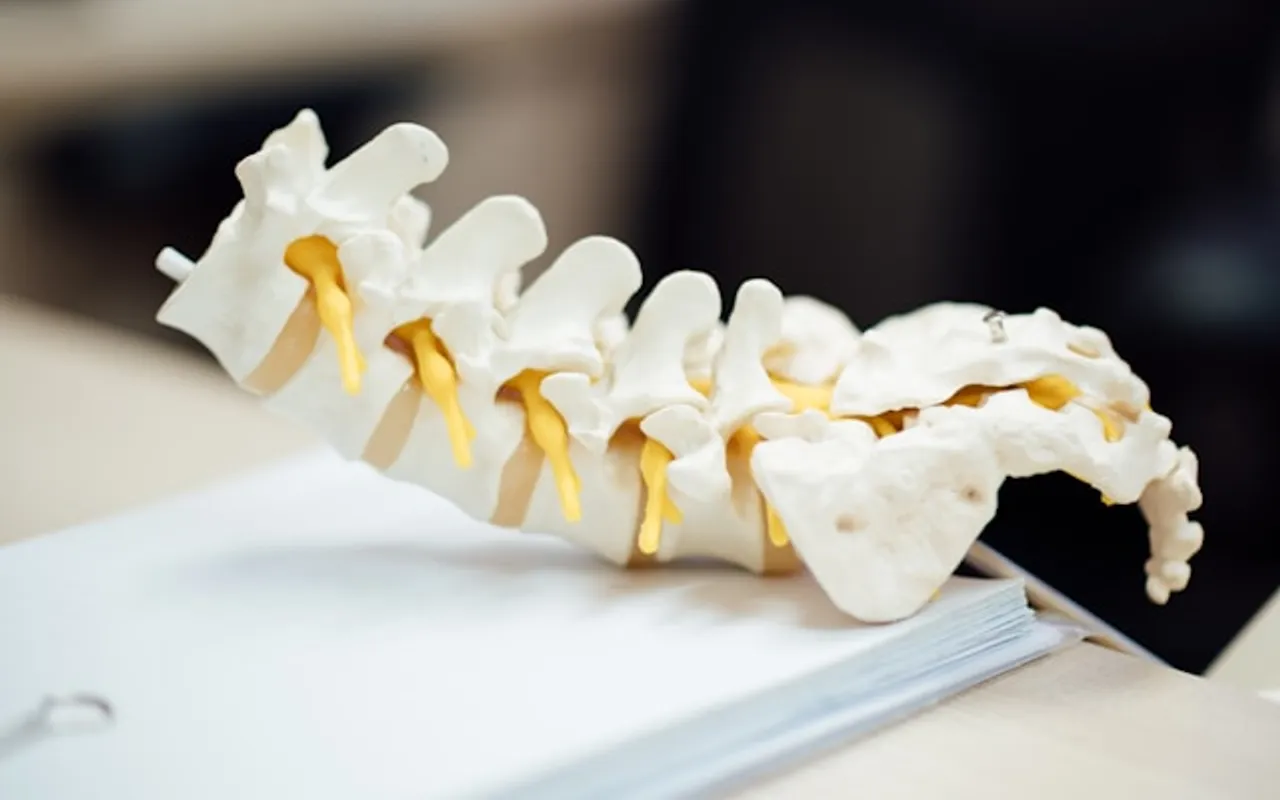
Image via Chuttersnap, used with Unsplash License
Up to 80% of adults will experience an episode of back pain. Even mild chronic back pain can be disruptive and frustrating. Historically, treatment options have been limited. However, there are many new treatment options available for chronic back pain.
Why Conventional Back Pain Treatments Often Fall Short
Conventional back pain treatments include physical therapy, medication, and surgery. Patients are often prescribed opioid medications, which can be an addiction risk. Traditional spinal surgery, while sometimes necessary, is an invasive and permanent intervention with the potential for serious complications and limitations to your range of motion. These strategies don’t address the underlying cause of back pain and often fail to provide lasting relief.
How Innovative Therapies Differ from Traditional Back Pain Care
Innovative treatments offer longer-lasting and less-invasive options for treating back pain, and some treat the underlying cause of the pain. Read on for a summary of some advanced options for treating back pain.
Comparison of Innovative Therapies for Chronic Back Pain Relief
Neuromodulation: Spinal Cord Stimulation and Peripheral Nerve Stimulation
Neuromodulation therapies deliver targeted electrical or chemical stimulation to regulate nerve signals and can provide long-lasting relief for nerve pain.
In spinal cord stimulation (SCS), electrodes are implanted near the spine. These electrodes produce small electrical impulses that interfere with pain signaling. Some cutting-edge strategies, such as restorative neuromodulation, have moved beyond blocking pain signals to target the underlying cause of back pain by strengthening the stabilizing muscles of the spine (the multifidus muscles).
Peripheral nerve stimulation (PNS) uses a similar strategy, but electrodes are implanted near peripheral nerves or under the skin near the painful area. To treat back pain, electrodes are placed by the peripheral nerves near the spine. PNS can be performed as either a temporary or permanent procedure, and it avoids the risks of implanting electrodes close to the spinal cord.
Regenerative Medicine: PRP, Stem Cell Therapy, and Prolotherapy
Regenerative medicine focuses on correcting the underlying cause of back pain. In platelet-rich plasma (PRP) therapy, platelets taken from the patient’s own blood are concentrated and injected into injured or degenerating areas of the spine. PRP contains high concentrations of growth factors and encourages natural tissue repair.
Similarly, stem cell therapy involves injecting stem cells (cells that retain the ability to become many different cell types) directly into the injured area of the spine. These cells help repair the damaged tissue, leading to symptom relief. Although it’s not an option for all patients, stem cell therapy is a promising strategy for long-lasting relief that targets the underlying cause of back pain.
In prolotherapy, the ligaments of the spine are repeatedly injected with a mild irritant that causes swelling. Although counterintuitive, controlled inflammation can encourage the body’s natural repair mechanisms and strengthen the spinal ligaments.
Minimally Invasive Spinal Procedures: Radiofrequency Ablation, Intradiscal Therapy, and Endoscopic Surgery
Dr. Melamed specializes in minimally invasive spinal procedures, which can bring relief from back pain while avoiding the risks and extended recovery period associated with traditional spinal surgery.
Radiofrequency ablation is a minimally invasive technique where a specialized needle is inserted into the pain-causing nerve in the spine and used to heat the nerve using radio waves, which temporarily block its ability to send pain signals. For patients experiencing vertebrogenic chronic low back pain (pain stemming from changes to the vertebral endplate), The Spine Pro offers a version of this procedure called the Intracept Procedure, which disrupts signaling from the basivertebral nerve of a damaged endplate.
Intradiscal electrothermal therapy (IDET) is a minimally invasive surgical technique where heat is applied to the outer layer of a damaged spinal disc. The heat helps stiffen the disc, seal any small tears, and deaden the nerves to prevent pain signaling.
Endoscopic surgery is an alternative to traditional open spine surgery that minimizes damage to the surrounding tissue, shortens recovery times, and reduces post-operative pain and the need for opioid pain medication. Dr. Melamed is a pioneer of ultra-minimally invasive surgical techniques for back pain, such as biportal endoscopic spine surgery (BESS), which is rapidly growing in popularity due to its favorable outcomes and very low risk of complications.
Advanced Interventional Injections: Epidural Steroid Injections, Facet Blocks, and Targeted Drug Delivery
For patients who want to avoid surgery, interventional injections may offer relief for chronic back pain.
During epidural steroid injections, anti-inflammatory drugs (steroids) are administered to the area near the spinal cord (the “epidural space”). These steroids reduce swelling and inflammation of affected nerves and temporarily relieve back pain.
Facet blocks are used to treat pain originating from the facet joints on the sides of vertebrae. A small amount of local anesthetic and steroid medication is injected into the affected facet joint to reduce pain and irritation.
Targeted drug delivery is sometimes used for back pain that doesn’t respond to other treatments. A pump containing medication is implanted, typically in the abdomen, and a flexible catheter (tube) is used to deliver medication directly to the fluid surrounding the spinal cord. Delivering the drug directly to the spinal fluid allows for use of lower doses, reduces side effects, and sometimes improves efficacy.
Technology-Assisted Physical Rehabilitation: Robotics, Wearables, and VR-Guided Therapy
Advances in robotics, wearables, and virtual reality (VR) are changing the face of rehabilitation. Wearables, such as fitness trackers, provide detailed data about movement patterns, which can be used to customize therapy. Innovative robotics technologies like exosuits can be used to provide additional support and stimulation during physical therapy, while VR has shown promise in helping patients cope with pain.
AI-Personalized Pain Management Plans
Artificial intelligence (AI) is revolutionizing many areas of medical care, including back pain management. AI-assisted pain management enables enhanced monitoring of pain levels and advanced customization of both pain management plans and physical therapy interventions. By customizing therapies precisely to you, AI can help improve treatment outcomes.
How To Choose the Right Therapy for Your Type of Back Pain
Choosing the right therapy for your back pain can be confusing and overwhelming. Dr. Melamed and his colleagues at The Spine Pro are experts in innovative therapies for back pain and will work with you to personalize your treatment and help you find lasting relief.
Take the Next Step Toward Long-Term Back Pain Relief
The Spine Pro offers state-of-the-art care for all types of spinal issues right here in Beverly Hills. If you’ve been struggling with back pain, schedule a consultation with Dr. Melamed today and take the first step toward long-term relief.
The next step
Get a straight answer about your spine.
Book a consultation or send your MRI for a personal review with Dr. Melamed — no pressure, just an honest read on your options.