

Spinal Stenosis Symptoms to Be Aware of
Spinal stenosis describes narrowing in the spinal canal, often creating pressure on the spinal cord and nerve roots.
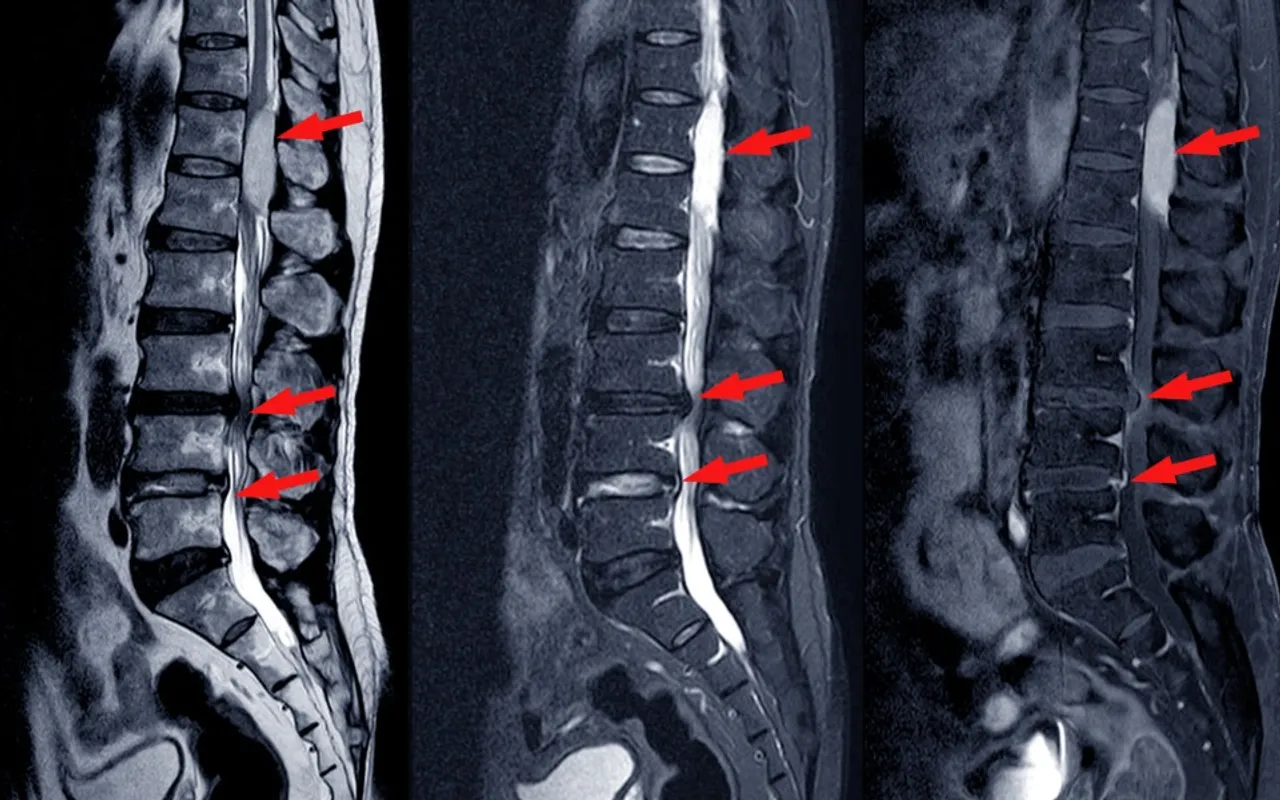
Spinal stenosis describes narrowing in the spinal canal, often creating pressure on the spinal cord and nerve roots. While some people may be born with a narrow spinal column (congenital spinal stenosis), the condition is most often acquired with age. Spinal stenosis symptoms may develop as a result of arthritis, a herniated disc, bone spurs or any other condition affecting the spine.
What Causes Spinal Stenosis?
The most common cause of spinal stenosis is the wear-and-tear changes that occur in the spine as we age. These changes include the following:
Osteoarthritis
This form of arthritis is categorized by the natural breakdown of cartilage (the tissue that cushions joints) with age. As osteoarthritis progresses, it can lead to the formation of bone spurs.
Rheumatoid Arthritis
Unlike osteoarthritis, rheumatoid arthritis is an autoimmune disorder in which the body’s immune system attacks healthy tissue. This can cause inflammation around the joints, including those in the spine.
Bone Spurs
A bone spur is a projection of bone that develops over time. They are often the result of wear-and-tear changes, such as osteoarthritis, but can also occur in response to injury or inflammation.
Spondylolisthesis
This condition occurs when one vertebra slips forward over the vertebra below it. The slipping vertebra can narrow the spinal canal and compress the spinal cord or nerve roots.
Disc Degeneration
The discs between your vertebrae act as cushions and shock absorbers. With age, the water content of discs decreases, making them less flexible and more prone to injury. This is often referred to as degenerative disc disease.
Tumors of the Spine
Although not common, tumors can form in the spine and compress the spinal cord or nerve roots.
Spinal Stenosis Symptoms
The most common symptom of spinal stenosis is pain, which is caused by the compression of nerves in the spine. Spinal nerves are the nerves that travel through the spinal canal and branch out to provide sensation and movement to different parts of the body. When spinal stenosis leads these nerves to become compressed, it can lead to a range of symptoms, depending on which nerves are affected.
Symptoms of Spinal Stenosis in the Lower Back
- Low back pain
- Burning pain radiating down the buttocks and into the legs
- Pain that worsens with standing or walking
- Numbness, tingling or cramping in the legs and feet
Symptoms of Spinal Stenosis in the Neck
- Neck and shoulder pain
- Numbness or tingling that radiates to the arms or hands
- Weakness in the arms, hands or fingers
People with more severe spinal stenosis may experience difficulty walking or standing for long periods of time, as well as urinary or bowel incontinence.
If you experience any of these symptoms, it’s important to see a doctor so they can provide an assessment and treatment options.
Seek Treatment for Spinal Stenosis Symptoms at The Spine Pro
Hooman Melamed, MD, at The Spine Pro, is an award-winning spine surgeon. Dr. Melamed has focused his medical career on the treatment of spinal disorders and is an expert in minimally invasive techniques. He takes a personalized approach to each patient’s care. If you’re experiencing symptoms of spinal stenosis, contact us today to schedule your consultation.
The next step
Get a straight answer about your spine.
Book a consultation or send your MRI for a personal review with Dr. Melamed — no pressure, just an honest read on your options.


