
How To Tell If Your Back Pain Is Serious
 Back pain is incredibly common, with up to 80% of adults experiencing at least one episode of back pain in their lifetimes. In fact, it is one of the costliest medical problems in the United States, and a leading cause of disability. Because it is so common, it can be difficult to know when to be concerned. Read on to learn more about signs of serious back pain and your treatment options here in Beverly Hills, CA.
How To Tell If Your Back Pain Is Serious
Mild back pain is a part of daily life for many people. However, it can also be a sign of serious conditions that need immediate medical treatment. Symptoms of serious conditions include:
- Sudden or severe back pain
- Back pain that starts after a fall or accident, especially if it is severe or accompanied by numbness or loss of function
- Progressive or severe numbness, weakness, or tingling
- Rapidly spreading numbness that affects your buttocks, groin, and upper thighs (saddle anesthesia)
- Loss of control of your bladder or bowels, or sudden difficulty urinating
- Back pain accompanied by sudden or severe neurological deficits in your limbs
- Back pain, especially pain that gets worse at night or while lying down, accompanied by fever, night sweats, or unintentional weight loss
- Prolonged back pain (more than a few days) that doesn’t get better with over-the-counter treatments
- Sudden or severe back pain after a recent spine surgery or other spinal procedure
- Excruciating pain accompanied by a “tearing” sensation
If you experience any of these “red flag” symptoms, seek emergency medical care. They can be signs of serious conditions that can cause irreversible neurological damage or death without prompt medical attention.
Types of Back Pain
Back pain can be classified in a few different ways. Doctors often classify back pain by how long it lasts. Acute back pain is back pain that lasts 6 weeks or less, while chronic back pain lasts more than 6 weeks.
Another way of classifying back pain is based on the mechanism that causes the pain. Types of back pain include:
- Nociceptive pain: Pain caused by painful stimuli of the peripheral nerves, such as pain from a spinal injury. You might think of this as “normal” pain. It is usually localized.
- Neuropathic pain: Also known as nerve pain, this is pain caused by malfunctioning or damaged nerves (such as a pinched nerve). Nerve pain can be mild or severe, and might feel like stabbing or shooting pain, tingling, or the sensation of “pins and needles”, and might be accompanied by numbness or muscle weakness. This type of pain often radiates out from the source and follows predictable patterns according to what level of your spine is affected.
- Nociplastic pain: Pain caused by altered pain receptor signaling, which occurs in the absence of any actual injury or tissue damage, or unusually strong reactions to mild stimuli. Back pain that cannot be fully explained by nociceptive or neuropathic mechanisms may fall in this category.
Recent studies have found that these categories are useful because different types of back pain may respond differently to different treatments.
What Is Causing Your Back Pain?
Back pain can be caused by many different conditions. To get a definitive diagnosis, you should see a doctor who specializes in spine conditions. Some common causes of back pain include:
- Degenerative changes in the spine, such as osteoarthritis or degenerative disc disease
- Nerve damage or irritation, which is commonly caused by conditions like spinal stenosis (narrowing of the spine) or other conditions that impinge on the spinal cord or exiting nerves
- Inflammatory conditions like rheumatoid arthritis or ankylosing spondylitis
- Spinal damage from accidents or sports injuries
- Repetitive strain on your spine, such as from jobs that require repeated heavy lifting
- Tumors affecting your spine (rare)
- Spinal infections (rare)
More rarely, back pain can be caused by serious conditions that start outside of the spine, such as urinary tract infections, appendicitis, some kidney conditions, and dissecting aortic aneurysms.
At-Home Remedies
You may be able to treat some causes of mild-to-moderate back pain without seeing a doctor. Over-the-counter medication, such as acetaminophen (Tylenol) or non-steroidal anti-inflammatory drugs (NSAIDs, such as ibuprofen), can be helpful for controlling mild pain. NSAIDs can also help reduce inflammation in your back. Staying active, maintaining a healthy weight, and following a healthy diet can help keep the muscles around your spine strong, reduce the forces on your back, and minimize inflammation that can contribute to back pain. Maintaining good posture and using proper lifting mechanics when needed can also help minimize damage to your spine.
When To See a Doctor
If you are experiencing any “red flag” symptoms, you should always seek medical care right away. In addition, if your back pain persists for more than a week, doesn’t get better after taking over-the-counter medication, is accompanied by neurological symptoms like numbness, tingling, or weakness, is getting worse, or is interfering with your daily life and activities, consider seeing a doctor.
Make an Appointment with Dr. Melamed Today
Dr. Hooman Melamed is a board-certified orthopedic spine surgeon nationally recognized for his expertise in spinal health. He specializes in holistic, noninvasive, and personalized treatment, and emphasizes treating back pain without relying on opioid pain medication. If you’re concerned about your back pain, The Spine Pro offers state-of-the-art care right here in Beverly Hills. Schedule a consultation with Dr. Melamed today to figure out what’s causing your back pain and find the best treatment options for you.
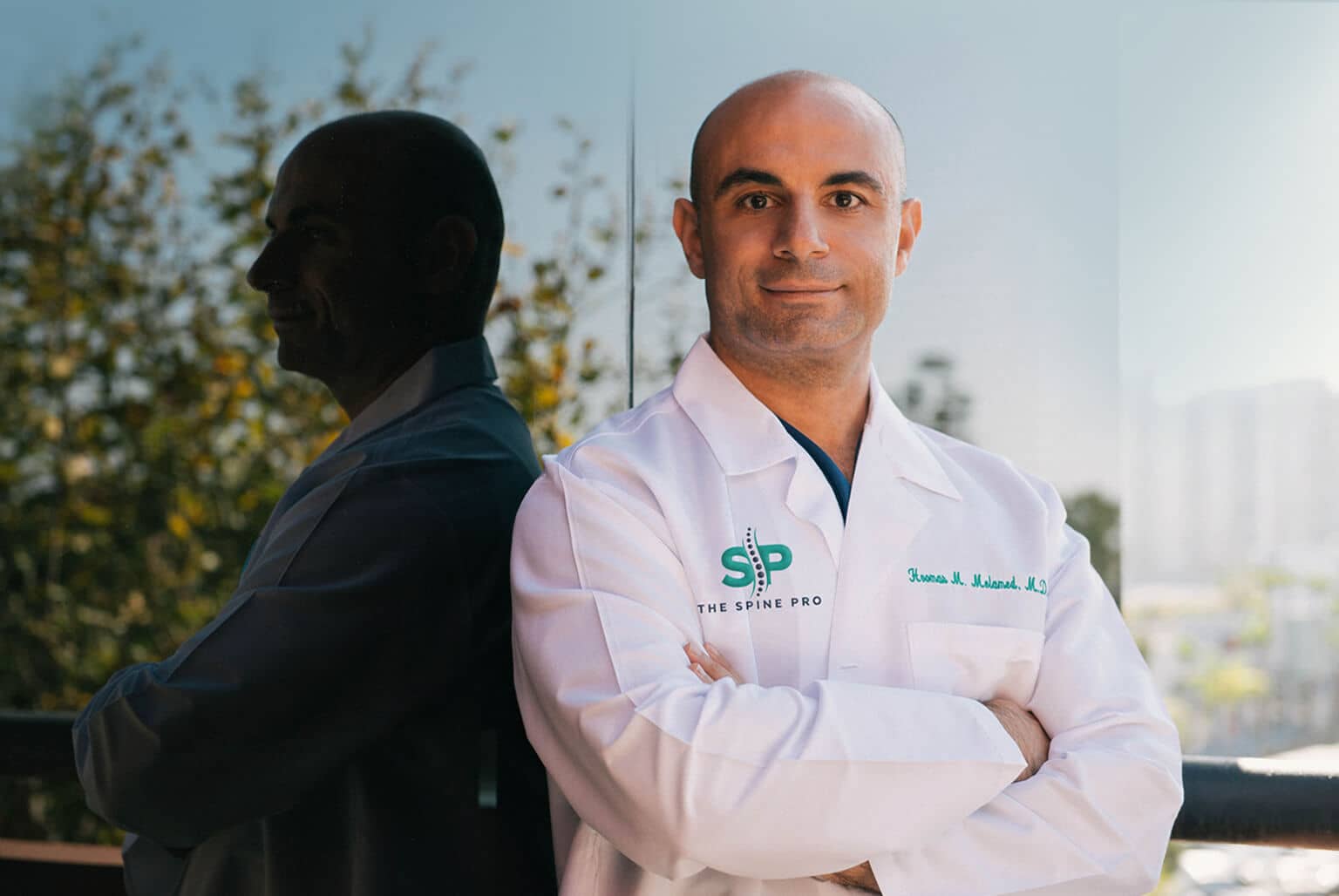
Dr. Hooman Melamed
Founder of The Spine Pro since 2005, highly regarded and board-certified orthopedic spine surgeon Dr. Hooman M. Melamed has been named to the Super Doctor’s list and Prestigious Castle Connolly “Top Doctor” multiple years in a row. In addition to his surgical skills, the L.A. resident has become the “go-to” expert on TV programs such as Dr. Oz, The Doctors, Fox News and local TV.
Read More about Dr. Hooman Melamed →