

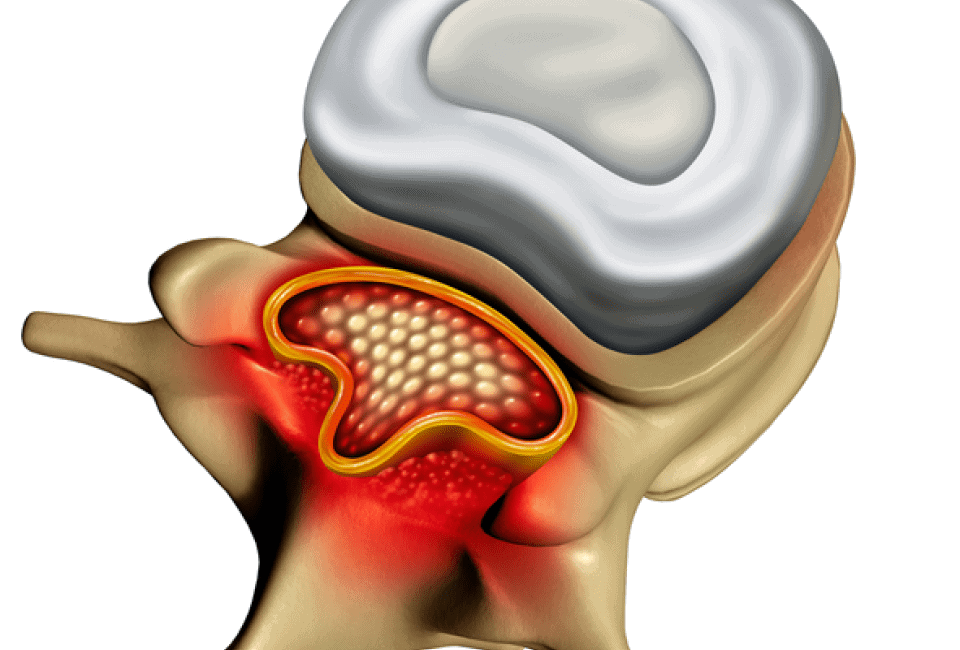
Spinal stenosis is a degenerative spinal condition where pressure is put on the spinal cord and/or nerve roots after the spinal canal narrows. It affects roughly 500,000 people in the United States (U.S.) Pain, including issues from spinal stenosis, will affect 4 out of 5 Americans in their lifetime. Those experiencing back pain once have a four times higher risk of recurrence.
There are two types of spinal stenosis. The first type is called congenital or developmental stenosis, where the spinal canal is too small for nerve roots or the spine. The second, a more common type, develops from degeneration of the intervertebral disc, facet joints, and the inferior and superior vertebral bodies.
Spinal stenosis commonly occurs in the lower back (lumbar) and neck (cervical) regions and is more often found in people in their seventies. While some people may be born with a narrow spinal canal, spinal stenosis mostly occurs from issues such as:
- Bone spurs
- Herniated discs
- Tumors
- Spinal injuries
- Thick ligaments
Some people may not experience any pain, weakness, or numbing at first, but these symptoms may become more pronounced with aging. When pain begins to affect daily life, treatment for spinal stenosis may become necessary.
Types of Spinal Stenosis Affecting Beverly Hills Patients
Spinal stenosis can present itself in different ways that affect people differently. Dr. Melamed will determine which type you have based on symptoms and location. Some common types associated with location include:
Lumbar Stenosis
Spinal stenosis in the lower back can cause pain/cramping in one or both legs after standing too long. These symptoms can become debilitating as they progress.
Cervical Stenosis
People with cervical stenosis may not experience symptoms until their spinal nerves or spine become squeezed from canal narrowing. Symptoms tend to progress gradually over time and may include:
- Arm or neck pain
- Arm weakness
- Balance or coordination issues
- Loss of bowel or bladder control
Symptoms associated with cervical myelopathy need to be urgently evaluated. These symptoms include:
- Decreased coordination/weakness of hands
- Arm/hand tingling or numbness
- Loss of balance
- Gait change
- Change in bowel/bladder habits
Thoracic Spinal Stenosis
It’s also possible to experience spinal stenosis in the thoracic region (middle) of your back; however, this is rare.
Spinal stenosis can also be categorized by the type of inflammation. Two common types include:
Foraminal Stenosis
Foraminal stenosis (lateral stenosis) involves inflammation/compression of the spinal nerve, causing it to become pinched, painful, or dysfunctional. Foraminal stenosis can occur at any region along the spine, but it’s most common in the lumbar region.
Central Canal Stenosis
Central canal stenosis involves inflammation/compression of the spinal cord. When there’s less space for the spinal cord, pain, pressure, or dysfunction happens anywhere below the area of compression.
On average, between 5 and 60 percent of spinal stenosis cases involve two different areas of the spine.
Recognizing Progressive Symptoms That Require Medical Attention
When spinal stenosis begins to affect daily activities like walking, standing, or balance, it may be time to seek urgent medical attention. Even difficulty walking short distances can signal a potentially serious issue. Other signs to look out for include trouble lifting your foot (foot drop), loss of coordination, or changes in bladder/bowel function. These symptoms may indicate a risk for permanent nerve damage if not treated immediately.
Diagnostic Process: Confirming Spinal Stenosis and Determining Severity
Getting an accurate diagnosis is essential when treating spinal stenosis. There are several diagnostic steps Dr. Melamed may take to properly diagnose your condition.
Clinical Evaluation and Medical History
Dr. Melamed may initially require a full physical examination, alongside disclosure of your medical history. He will evaluate the range of motion and flexibility and will look for signs of nerve compression.
X-Rays
An imaging test called an X-ray takes pictures of your back that may reveal spinal narrowing or other bone changes. Each photo taken uses a small amount of radiation.
Magnetic Resonance Imaging
Magnetic resonance imaging (MRI) is an imaging technique that takes photos of hard and soft tissue by using a magnet or radio waves. MRIs can also detect tumor locations, as well as disc or ligament damage.
Computed Tomography
Computed tomography (CT) imaging uses X-ray images from different angles and is ideal for people who are unable to have an MRI. Injected dye can reveal herniated discs, bone spurs, and tumors by outlining the spinal cord and nerves.
Treatment Options for Spinal Stenosis in Beverly Hills
Treatment for spinal stenosis usually begins with conservative, non-surgical treatment before moving on to more advanced forms of surgical intervention.
Conservative Nonsurgical Options
For mild to moderate spinal stenosis, the following options may be suitable:
- Pain medications or muscle relaxants to reduce pain/inflammation
- Rest/restriction on activities that cause/worsen back pain
- Cold/hot packs to reduce pain caused by muscle spasms or strains
- Doctor-recommended physical therapy to stretch and strengthen muscles
- Acupuncture for chronic low back pain
Regenerative therapies such as platelet-rich plasma (PRP) therapy and autologous stem cell therapy can also be effective in reducing inflammation and stimulating spinal tissue growth. PRP therapy uses a concentrated form of your own blood’s growth factors, while autologous stem cell therapy uses stem cells harvested from your bone marrow or adipose tissue.
Following regenerative treatments like these, 78 percent of patients experience reduced pain and improved mobility, supporting their use as leading nonsurgical options in Beverly Hills.
Minimally Invasive and Surgical Procedures
If pain persists for a prolonged period of time after trying conservative treatments, then Dr. Melamed may suggest surgery. The goal of surgery is to relieve pain by reducing pressure on compressed nerves through spinal decompression procedures. These may include removing affected discs and stabilizing the spine with an anterior cervical discectomy and fusion.
What To Expect: Recovery Timelines and Outcomes
Your recovery time depends on the type of procedure performed. If you’ve undergone a minimally invasive procedure to reduce spinal compression, you may fully recover within 4 to 6 weeks. However, if your procedure was more involved and included spinal fusion, it may take 4 to 6 months for you to make a full recovery.
Everyone recovers at their own pace, so it’s important to rest and take it slow at the beginning of recovery. At first, you should avoid bending or twisting, gradually allowing your body to do more each day. Following your specialist’s physical therapy routine is key to a quick recovery.
A week or two after surgery, many people feel comfortable enough to drive again. Most people can resume non-strenuous activities a month after surgery if they didn’t have spinal fusion surgery.
Make an Appointment With Dr. Melamed
If you’re experiencing chronic back pain, it’s worth exploring treatment options. Dr. Melamed and his team at The Spine Pro are dedicated to helping patients achieve reduced pain and a better quality of life through minimally invasive surgery. Take the first step toward relief today. Call 424-21-SPINE or click here to schedule your appointment.
Insurance
and Billing
We provide a very high level of individualized and concierge care. Therefore, we are out-of-network with almost all insurances, but as long as you have out-of-network benefits, we are happy to work with you, bill on your behalf, and verify your benefits.


