Rehabilitation Protocols for Sports Spine Injuries
Whether it happens during a playoff run or a routine workout, a sudden change in your neck or back can instantly take you out of the game. Spine injuries are surprisingly common — accounting for approximately 15% of all sports…
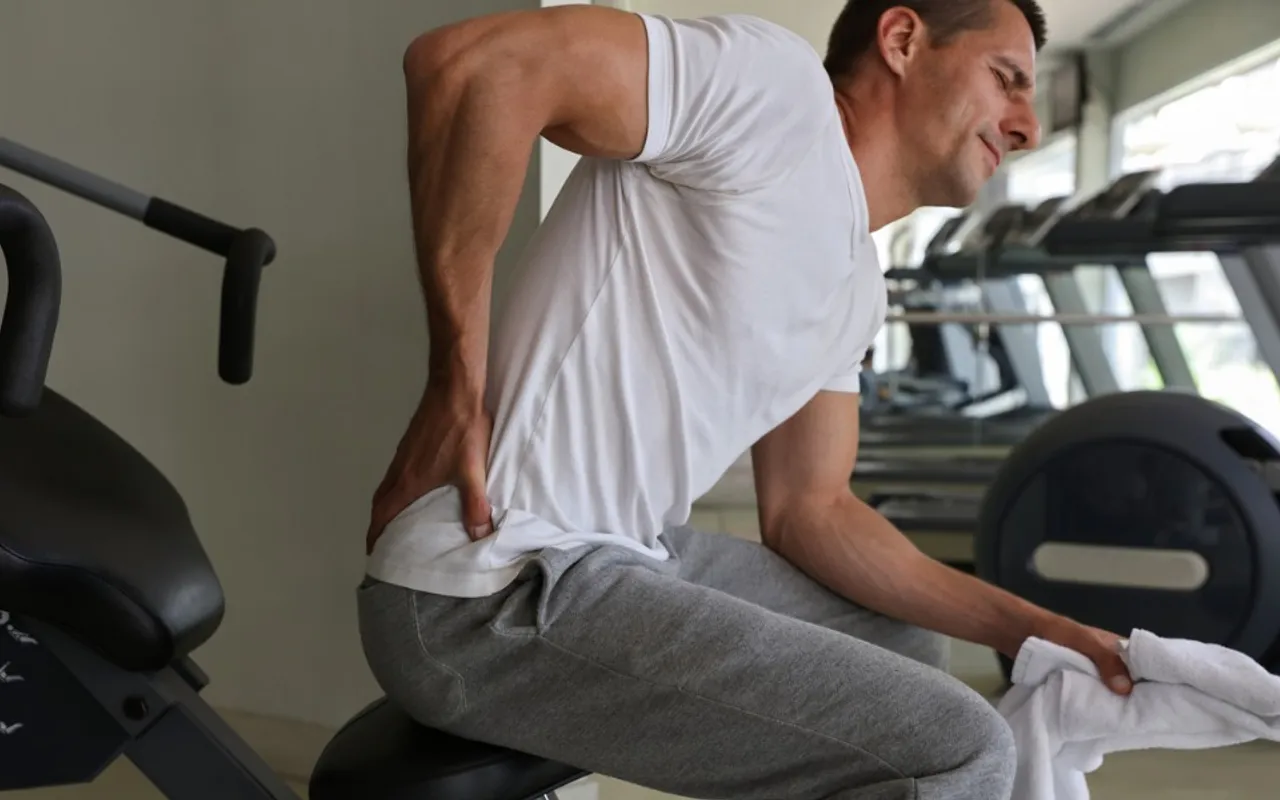
Whether it happens during a playoff run or a routine workout, a sudden change in your neck or back can instantly take you out of the game. Spine injuries are surprisingly common — accounting for approximately 15% of all sports injuries — and affect athletes at every level, from youth competitors to active adults. In this article, we’ll walk through common injuries, explain how to recover at every stage, and provide rehabilitation protocols for sports-related spine injuries to help you return to activity safely and confidently.
Understanding Sports-Related Spine Injuries: Types and Mechanisms
Sports-related injuries happen when excessive force, repetitive motion, or sudden impact overwhelms the tissues that support the spine. These types of injuries may affect muscles, ligaments, discs, or nerves. Common types include:
- Muscle and ligament strains: Often caused by overuse, improper lifting, or sudden twisting.
- Herniated (bulging) discs: High-impact activities or repetitive bending can cause a disc to protrude and irritate nearby nerves, sometimes leading to pain that travels into the arms and legs.
- Spondylolysis (stress fractures): Frequently seen in sports involving repeated back extension, such as gymnastics, football, or diving.
- Spondylolisthesis (slipped vertebrae): One vertebra shifts forward over the one below it, leading to lower back pain, tight hamstrings, and, sometimes, nerve symptoms.
- Facet joint injuries: Damage to the small joints at the back of the spine can cause localized pain and stiffness.
- Nerve compression injuries: Swelling or structural problems may press on nerves, leading to numbness, tingling, or weakness.
Rehabilitation after any one of these types of injuries is essential not only for healing but also for restoring joint mobility, rebuilding muscle strength, and retraining the nervous system to control movement properly and precisely.
Phase 1: Acute Stage Rehabilitation (Days 1-7)
The acute stage of rehabilitation, typically the first week after injury, focuses on protecting the injured area while controlling pain and inflammation. It’s important to never push through discomfort, as doing too much too soon can make the injury worse. Your exact program will depend on the nature of the injury, but typical strategies may include:
- Relative rest (avoiding aggravating movement, not complete inactivity)
- Ice or heat therapy
- Gentle range-of-motion exercises
- Anti-inflammatory medications, if recommended
- Temporary bracing in select cases
Light movement is generally recommended as tolerated because prolonged immobilization can weaken muscles and impede recovery.
Phase 2: Subacute Recovery (Weeks 2-4)
As pain decreases, rehabilitation goals shift toward restoring normal movement and flexibility. This stage is critical for preventing long-term stiffness and muscle imbalance. Key components may include:
- Controlled stretching to improve mobility
- Low-intensity strengthening exercises
- Core activation training
- Gentle aerobic activity, such as cycling or pool therapy
Exercises should be carefully progressed to avoid overloading healing tissues and should be tailored to your sport and injury.
Phase 3: Strengthening and Conditioning (Weeks 5-8)
Once mobility has improved and pain is minimal, rebuilding strength becomes one of the primary goals. Weak core and hip muscles are a major risk factor for both initial injury and reinjury. At this phase, rehabilitation typically targets:
- Core strength and endurance
- Hip and gluteal muscle development
- Spinal stabilization exercises
- Balance and coordination training
Neuromuscular training, which improves communication between the brain and muscles, is also important. Exercises such as single-leg balances, stability ball activities, and controlled dynamic movements can help the body react more effectively to physical stress while enhancing joint stability and reducing injury risk.
Phase 4: Advanced Athletic Preparation (Weeks 9-12)
The final phase of rehabilitation is meant to prepare athletes for real-world sports demands. Exercises become more dynamic and more closely replicate real athletic situations. Depending on your sport and injury, this phase may include:
- Plyometric drills (jump training)
- Agility and directional-change exercises
- Rotational strength work
- Sport-specific movement patterns
- Gradual return-to-practice activities
Each program is tailored to mirror the physical demands of your sport. For example, a baseball player may focus on throwing mechanics, while a soccer player practices cutting, sprinting, and sudden stops. Overall, the goal is to improve confidence and physical readiness at the same time.
Return-to-Sport Decision Making
Sometimes, even if you feel ready to return to sports, your body is still healing. Returning too early significantly increases the risk of reinjury, and clearance should be based on objective criteria, not just the absence of pain. Sports medicine specialists typically evaluate:
- Pain-free movement during activity
- Full range of motion
- Strength comparable to the uninjured side
- Functional performance tests
- Ability to perform sport-specific tasks safely
Athletes should also watch for signs of overtraining — such as persistent fatigue, soreness that doesn’t improve, poor sleep, or declining performance — which may indicate the body needs more recovery time before progressing. In many cases, athletes return gradually, which might mean starting with modified training before progressing to full competition.
When To Seek Professional Rehabilitation Services
While mild strains may improve with rest and self-care, more serious sports spine injuries may require professional rehabilitation services from a spine expert. Structured programs can accelerate recovery and reduce the likelihood of chronic problems down the line. You should consider seeking specialized care if:
- Pain or inflammation persists or worsens over several days
- A prior injury becomes reaggravated
- Symptoms radiate into the arms or legs
- Numbness, tingling, or weakness develops
- Range of motion feels restricted or unstable
A comprehensive evaluation typically includes a detailed medical history, physical examination, and imaging when necessary to identify the exact source and nature of the injury. As with most spinal injuries, determining the underlying cause is essential for long-term treatment and recovery.
If sports-related spinal injuries are holding you back, expert care can make a meaningful difference. Dr. Hooman Melamend offers personalized rehabilitation plans designed to relieve pain, restore function, and support a safe and speedy return to the activities you love. Request an appointment today and take the first step toward getting back in the game.
The next step
Get a straight answer about your spine.
Book a consultation or send your MRI for a personal review with Dr. Melamed — no pressure, just an honest read on your options.