

How to Prevent Bone Spurs
Bone spurs or osteophytes —smooth bony outgrowths along joint edges—often go unnoticed until they cause pain, stiffness, or mobility issues, impacting daily life for millions.
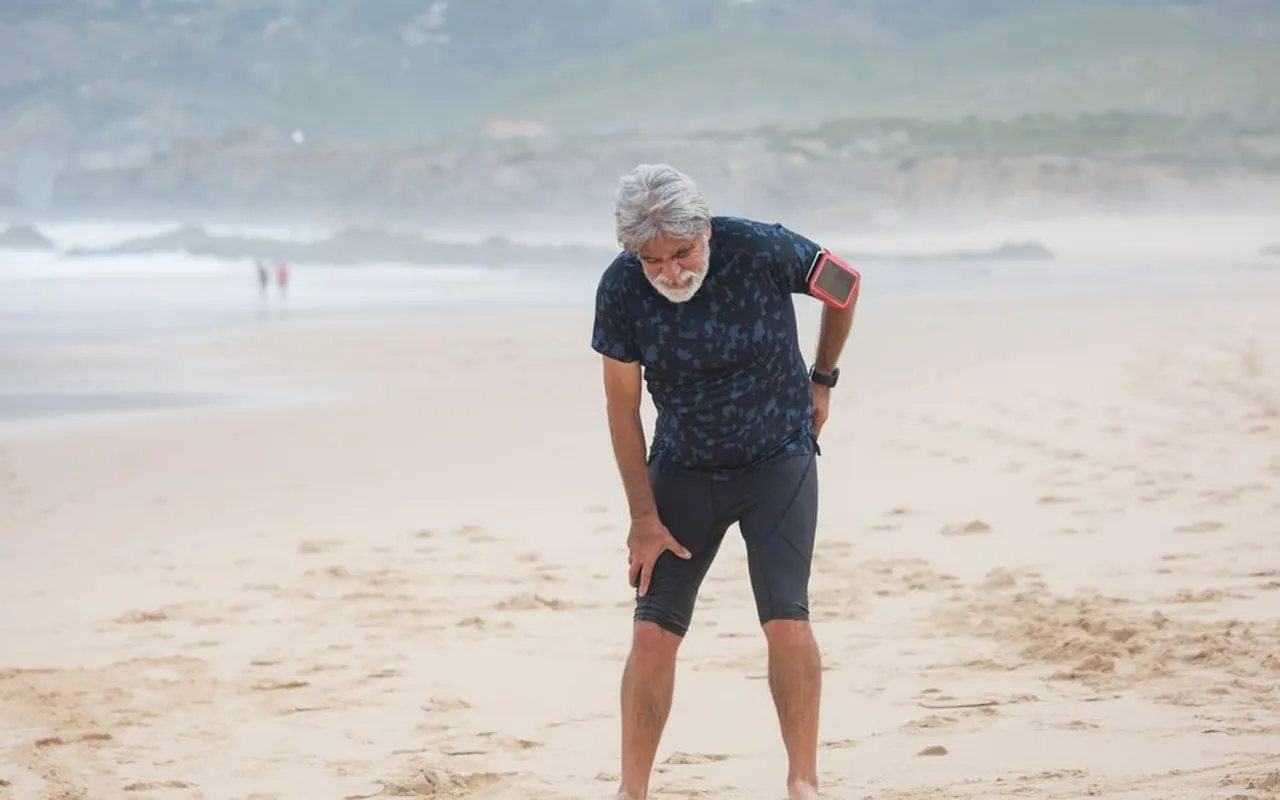
Bone spurs or osteophytes —smooth bony outgrowths along joint edges—often go unnoticed until they cause pain, stiffness, or mobility issues, impacting daily life for millions. In 2026, bone spurs affect over 30% of adults over 60, contributing to osteoarthritis and chronic pain in 20.4% of the U.S. population, with healthcare costs exceeding $100 billion annually. At The Spine Pro in Beverly Hills, board-certified orthopedic spine surgeon Dr. Hooman Melamed—with over 20 years of experience, Castle Connolly Top Doctor recognition, and features on Dr. Oz, The Doctors, and Fox News—helps patients prevent bone spurs through a holistic, narcotic-free approach. Emphasizing nutrition, posture, and minimally invasive interventions like biportal endoscopic spine surgery (BESS) for early issues, Dr. Melamed achieves 90%+ prevention success in at-risk patients. Serving locals and international clients from Dubai to London, his concierge care focuses on proactive strategies to maintain joint health and avoid complications.
What Are Bone Spurs? Understanding Osteophytes in 2026
Bone spurs are extra bone growths that form where bones meet, typically at joints like the spine, hips, knees, shoulders, or heels. Not sharp “spurs” as the name implies, they’re smooth projections responding to joint stress, often linked to osteoarthritis (degenerative joint disease). While harmless in 40-50% of cases (discovered incidentally via imaging) and don’t hurt, they cause pain when compressing nerves, tendons, or muscles, leading to symptoms like stiffness or radiculopathy.
In 2026, prevalence rises with aging (30%+ over 60), driven by sedentary lifestyles and obesity (36% higher risk). Prevention matters: Early habits reduce symptomatic spurs by 50%, per longitudinal studies.
Primary Risk Factors & Root Causes of Bone Spurs in 2026
Bone spurs form as the body compensates for joint damage, with cartilage wear triggering overgrowth osteoarthritis:
- Age-Related Wear: people over 60; osteoarthritis in 80% of cases.
- Obesity/High BMI: Higher body mass index (BMI): Excess weight stresses joints (knees/heels); 36% higher risk.
- Repetitive Stress and stress injuries: Poor posture, sports, or jobs cause micro-trauma.
- Improper Footwear: Lacks support, leading to heel spurs (plantar fasciitis link).
- Heavy Lifting/Strain and physical strain: Occupational overuse accelerates degeneration.
Underlying conditions that amplify risk include:
- Ankylosing Spondylitis: Spinal fusion spurs.
- Degenerative Disc Disease: Irritates the edges of the spine.
- Lupus/RA: Inflammatory spurs.
- Osteoporosis: Weak bones prompt overgrowth.
- Spinal Stenosis: Canal narrowing spurs.
2026 trends: Remote work posture increases thoracic spurs by 20%.
Bone Spur Symptoms: When Do They Cause Pain?
Spurs are painless in 50%+ cases; symptoms arise from compression:
- Joint Stiffness: Reduced mobility, worse mornings.
- Localized Pain: Aching at the spur site (e.g., heel spurs with walking).
- Nerve Pain: Tingling, numbness when pressing nerves (radiculopathy).
- Swelling/Inflammation: Around the affected joint.
Severe: Interferes with 7.4% of chronic pain sufferers’ activities.
Evidence-Based Strategies to Prevent Bone Spurs in 2026
Prevention focuses on reducing joint stress; 2025 studies show lifestyle changes cut risk 40-50%:
- Maintain a healthy weight: Lose 5-10% to ease joint load; BMI <25 halves risk.
- Good Posture: Ergonomic setups prevent spinal spurs.
- Wear supportive footwear: Arch support reduces heel spurs by 60%.
- Low-impact exercise: Swimming/yoga 3x/week builds joint resilience.
- Modify Activities: stretching and Alternate tasks to avoid overuse.
Nutrition & Lifestyle Modifications for Bone Spur Prevention
Diet/lifestyle supports bone health, reducing inflammation 30%:
- Calcium and vitamin D: 1,200mg/800IU daily from dairy/sun; prevents weakening.
- Anti-Inflammatory Foods: Omega-3s (fish/nuts), antioxidants (berries) curb degeneration.
- Hydration: 8-10 glasses/day lubricates joints.
- Quit smoking and alcohol: Reduces bone density loss.
- Weight Control: A balanced diet/exercise maintain BMI.
Joint Protection Techniques & Injury Prevention for Bone Spurs
Protect joints to avert spurs:
- Warm-Ups: 5-10 min stretches pre-activity.
- Proper Lifting: Bend knees, keep load close.
- Supportive Gear: Orthotics/braces for high-risk jobs.
- Listen to Body: Stop at pain; modify routines.
When to See a Specialist: Bone Spur Prevention & Treatment
Consult if pain persists >2 weeks; early intervention prevents 50% complications. Dr. Melamed offers BESS for symptomatic spurs.
Frequently Asked Questions: How to Prevent Bone Spurs (2026)
- What causes bone spurs? Joint wear, obesity, and overuse (30%+ over 60).
- Can bone spurs be prevented? Yes, with weight control/exercise (40-50% risk reduction).
- What foods prevent bone spurs? Calcium-rich, anti-inflammatory (e.g., fish, greens).
- Is exercise good for bone spur prevention? Low-impact, yes; reduces risk 30%.
Schedule a Bone Spur Prevention Consultation with Dr. Hooman Melamed
Protect your joints today. Call (424) 217-7463 or request online at The Spine Pro—benefits verified. Do yourself a favor by requesting an appointment online today and taking the first step toward protecting your spine and restoring your mobility.
The next step
Get a straight answer about your spine.
Book a consultation or send your MRI for a personal review with Dr. Melamed — no pressure, just an honest read on your options.