

Image via Sora Shimazaki, used with Pexels License
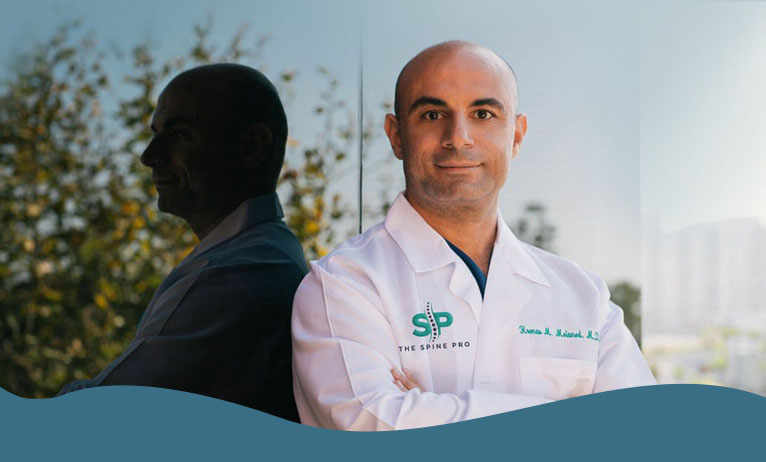
Abdominal pain—often dismissed as digestive issues—can stem from spinal problems, leading to misdiagnosis and prolonged suffering. In 2026, chronic abdominal pain affects over 20% of U.S. adults, with up to 10-15% linked to thoracic spine conditions like radiculopathy or disc herniation, yet only 30% receive proper spinal evaluation. At The Spine Pro in Beverly Hills, board-certified orthopedic spine surgeon Dr. Hooman Melamed—with over 20 years of expertise, Castle Connolly Top Doctor honors, and features on Dr. Oz, The Doctors, and Fox News—specializes in uncovering and treating spine-related abdominal pain. Using a holistic, narcotic-free approach integrating advanced diagnostics and minimally invasive procedures like biportal endoscopic spine surgery (BESS), Dr. Melamed achieves 90%+ resolution rates, helping patients avoid unnecessary GI tests and reclaim comfort. Serving locals and international clients from Dubai to London, his concierge care emphasizes root-cause relief for lasting results.
What Causes Abdominal Pain from the Spine? Referred Pain Explained in 2026
Not all abdominal pain originates in the gut—up to 15% of cases are referred pain from spinal nerves, where irritation in the thoracic (mid-back) or lumbar spine radiates to the abdomen via shared nerve pathways. This “viscero-somatic convergence” fools the brain into perceiving pain in the belly, mimicking conditions like IBS or ulcers.
Key spinal causes include:
- Thoracic radiculopathy: Compressed nerves in T6-T12 vertebrae cause mid-abdominal pain; 2025 studies show 10-20% of chronic cases are spinal
- Herniated Discs: Bulging thoracic/lumbar discs press nerves, leading to sharp or burning abdominal sensations.
- Spinal Stenosis: Narrowed canal compresses nerves, causing cramping or fullness; degenerative in 80% of >50s.
- Degenerative Disc Disease: Wear erodes discs, irritating nerves; linked to 40% of unexplained abdominal pain.
- Scoliosis/Abnormal Curvature: Misalignment strains nerves; 25% progression in adults.
Unlike GI pain, spine-related abdominal discomfort doesn’t respond to diet/antacids and worsens with posture/movement.
Healthcare experts recognize that chronic (long-term) pain is a widespread issue. As many as 20.4% of adults in the United States (U.S.) live with chronic pain, and 7.4% experience pain so severe that it limits daily activities. For many, the abdomen becomes one of the unexpected areas affected. While medications are common — with painkillers making up more than 53% of the global pain relief market — the most effective care begins with pinpointing the actual spinal cause rather than simply masking symptoms.
Common Symptoms of Spine-Related Abdominal Pain: How to Recognize It
Symptoms mimic GI issues but align with spinal triggers, often unilateral or posture-dependent:
- Cramping or Aching: Mid/lower abdomen, worse standing/bending.
- Referred Pain: Band-like around the torso, mimicking heartburn.
- Numbness/Tingling: In abdomen/legs, from nerve compression.
- Worsening Factors: Coughing, twisting; relieved with lying down.
- Associated Back Pain: Often co-occurs, key clue for spinal origin.
In 2026, 7.4% of chronic pain limits activities; early spinal check prevents escalation.
Accurate Diagnosis of Spine-Related Abdominal Pain in Beverly Hills
Misdiagnosis is common—up to 40% undergo unnecessary GI tests first. Dr. Melamed’s protocol ensures precision:
- Medical History/Exam: Assess pain patterns, posture, and neurological tests.
- Imaging: X-ray/CT for alignment; MRI for nerve/disc issues (2026 AI enhances 25%).
- Advanced Tests: Nerve conduction, diagnostic injections to confirm spinal source.
This rules out GI causes, focusing on the spine for targeted relief.
Comprehensive Abdominal Pain Treatments in Beverly Hills: From Conservative to Advanced
Dr. Melamed prioritizes non-surgical (85% success) before minimally invasive.
Conservative Treatments
- Physical Therapy: Core exercises, posture correction (70% relief in 6 weeks).
- Medications/Injections: NSAIDs, corticosteroids to reduce inflammation.
- Alternative Therapies: Acupuncture, chiropractic for nerve relief.
2026 Minimally Invasive Advances
- BESS Decompression: Removes nerve pressure; 95% success, same-day.
- Artificial Disc Replacement: Preserves motion for degenerative cases.
- Unique Innovative Transthoracic navigated assisted minimally invasive decompression; technique developed by Dr. Melamed himself
- Regenerative Injections: PRP/Bone Marrow promote healing (30% faster).
Dr. Melamed’s BESS and Tansthoracic integrates robotics and navigation for precision, outperforming open surgery.
| Treatment | Success Rate | Recovery Time | Best For |
| PT/Conservative | 70% | 6 Weeks | Mild Thoracic Issues |
| BESS | 95% | Same-Day | Nerve Compression |
Prevention Strategies & Long-Term Management for Spine-Related Abdominal Pain
Prevent 50% of recurrences with lifestyle changes:
- Posture/Ergonomics: Core exercises, desk setup to reduce strain.
- Activity: Low-impact like yoga; avoid heavy lifting.
- Nutrition: Anti-inflammatory diet, weight management.
- Routine Checkups: Annual spine screens for early detection.
Dr. Melamed’s plans include gut health for inflammation control.
Frequently Asked Questions: Abdominal Pain Relief (2026)
- Can spine problems cause abdominal pain? Yes, via referred pain from thoracic nerves (15% cases).
- How is spine-related abdominal pain diagnosed? History, exam, MRI/CT (rules out GI).
- What’s the best treatment for abdominal pain from a herniated disc? BESS decompression (95% success).
- How long does abdominal pain from spinal stenosis last? 6-12 weeks with treatment; chronic if untreated.
Make an Appointment with Dr. Hooman Melamed Today
Uncover the spinal root of your abdominal pain. Schedule at The Spine Pro for expert relief. Call 424-21-SPINE or request online—benefits verified. Schedule your appointment today and take the first step toward lasting relief.